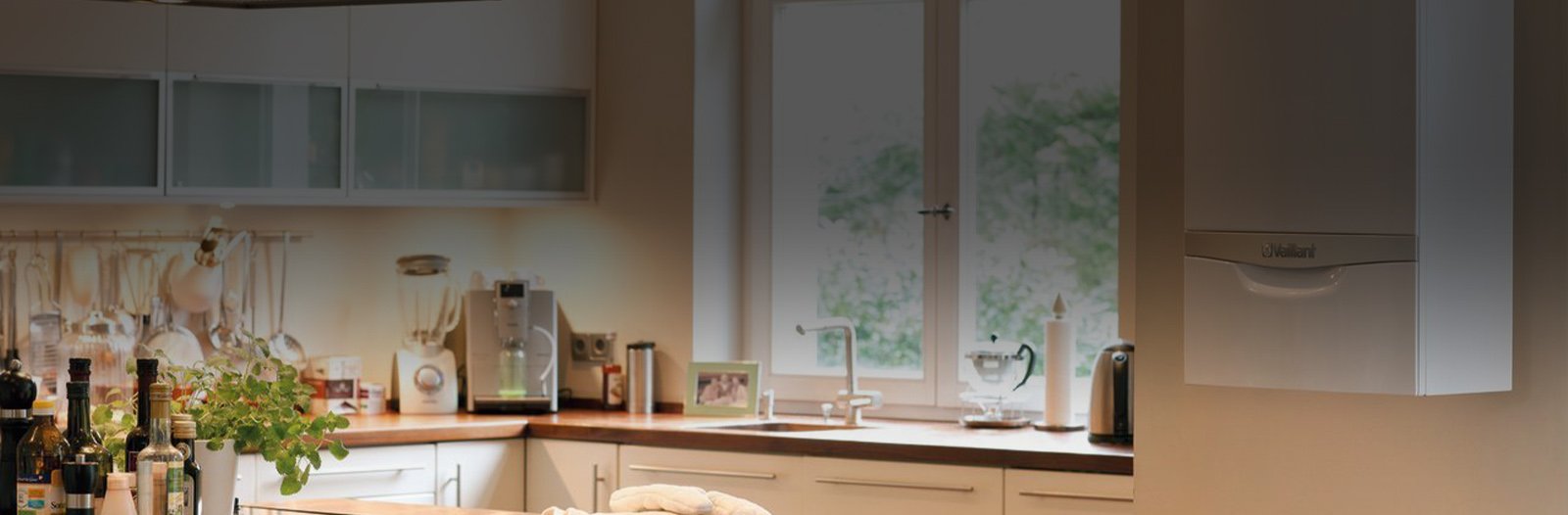
Getting a boiler installed in winter can feel like a bigger decision because the heating is doing the hardest work of the year. Most homeowners worry about safety first, then comfort, and then whether the conditions outside could affect the job. The reassuring part is that winter boiler installations are routine for qualified heating engineers, and the season does not reduce the safety of the installation when it is done properly.
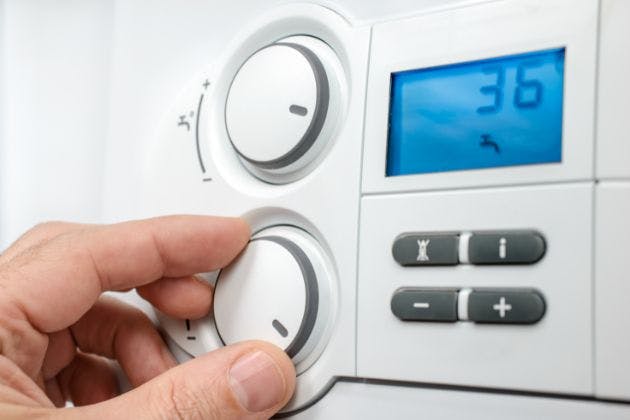
Is it Safe to Install a Boiler in Winter
Is it safe to install a boiler during winter? Yes, it is, and the reasons are practical rather than vague. A boiler installation follows strict steps that do not change just because it is cold outside, and the checks that protect your household are still carried out in full. In many cases, installers are even more attentive in winter because the system will be used immediately, and any minor issue would show up quickly once the heating is back on.
Safety in winter comes down to two things working together. The first is the technical side, meaning correct installation, correct testing, and correct commissioning. The second is the working environment, meaning the engineer can do the job safely without rushing, slipping on hazards, or having poor access to the boiler and any external parts.
Qualified Installation Standards Do Not Change In Winter
A boiler is not installed differently in January than it is in July. The engineer still isolates the gas, water, and electrics safely, removes the old appliance, fits the new boiler correctly, and then tests the system before it is handed back to you. Those steps are there to protect you, and they are not optional because the weather is cold.
Winter does not introduce new rules that make a boiler less safe to fit. The same manufacturer requirements, safety standards, and commissioning processes still apply. The outcome you are looking for is a boiler that is installed correctly and proven safe before it is left running, regardless of the temperature outside.
Commissioning Checks Matter More Because The System Is Used Immediately
One reason winter installations feel safer in practice is that you will use the boiler heavily straight away. That means the engineer knows the system must be stable under real demand, not just switched on for a quick test. In winter, good installers will be thorough because they know you will notice quickly if radiators are not heating properly or if pressure is unstable.
Commissioning is where the safety and reliability are confirmed together. The boiler is tested, controls are checked, and the heating is run so performance can be observed. This matters in winter because the boiler is going straight into daily use, and the goal is for it to cope comfortably from the first cold evening.
Cold Weather Does Not Make Gas Work Less Safe
The biggest concern most homeowners have is gas safety, and winter does not make gas work inherently more dangerous. Gas safety is about correct isolation, correct connections, correct testing, and correct flue performance. Those are controlled processes, and a qualified engineer follows them methodically.
If anything, winter can encourage extra care because engineers know the home needs dependable heat and hot water. That focus often results in careful checking, clear explanations, and fewer shortcuts. The safety of the installation comes from competence and process, not the time of year.
The Work Environment Is Part Of Safety
Winter safety is not only about the boiler itself, it is also about the conditions the engineer is working in. If the area around the boiler is cluttered, poorly lit, or difficult to access, it increases the risk of mistakes or accidents. In winter, when daylight hours are shorter, that practical side becomes even more important.
External access is also part of safe working. If the engineer needs to check something outside, icy paths, blocked gates, or slippery surfaces can slow the job or create risk. Clearing a safe path and making sure the work area is accessible are two of the simplest ways homeowners can support a safe winter installation.
Winter Conditions Can Highlight Setup Details That Protect Reliability
A safe installation is also one that is less likely to fail when temperatures drop. Winter is when the system is most exposed to cold-related issues, so it is a useful time to ensure everything is set up sensibly. This includes the way the system drains, how controls respond, and how the boiler is supported by the overall heating setup.
When the installer knows the boiler is going straight into winter use, they are more likely to focus on the details that reduce nuisance shutdowns. That supports both safety and comfort because a reliable boiler is less likely to cause stressful situations during cold nights.
Need A Safe Winter Boiler Installation In Whitton?
New Boiler Whitton carries out winter boiler installations with the right checks, safe working practices, and a clear plan to keep disruption low. Call us on 07581413864 or fill out our contact form to book a boiler installation in Whitton.